
Nobody Asked the Patient
Written by Shlomit Liberty / Illustrated by Mads Horwath


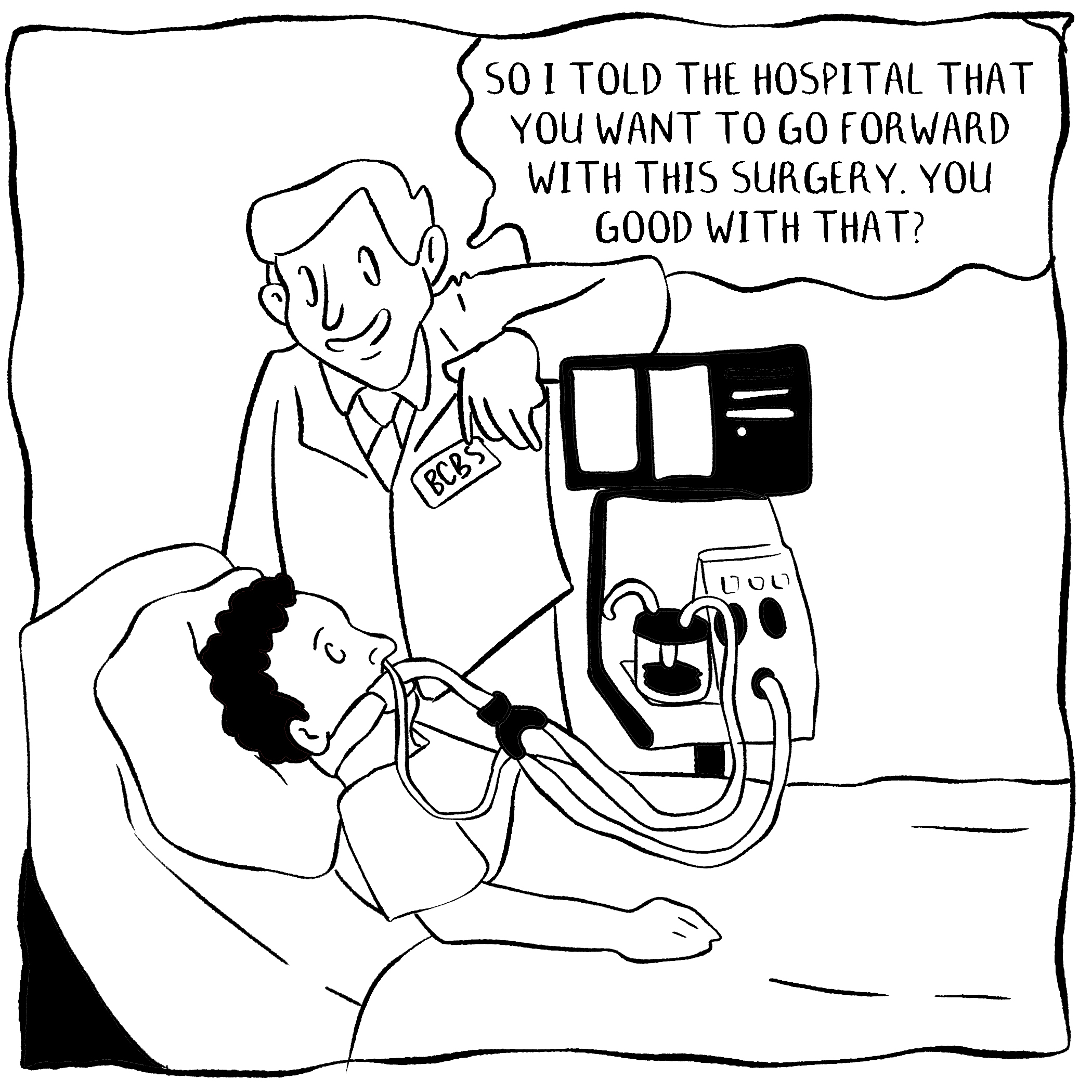
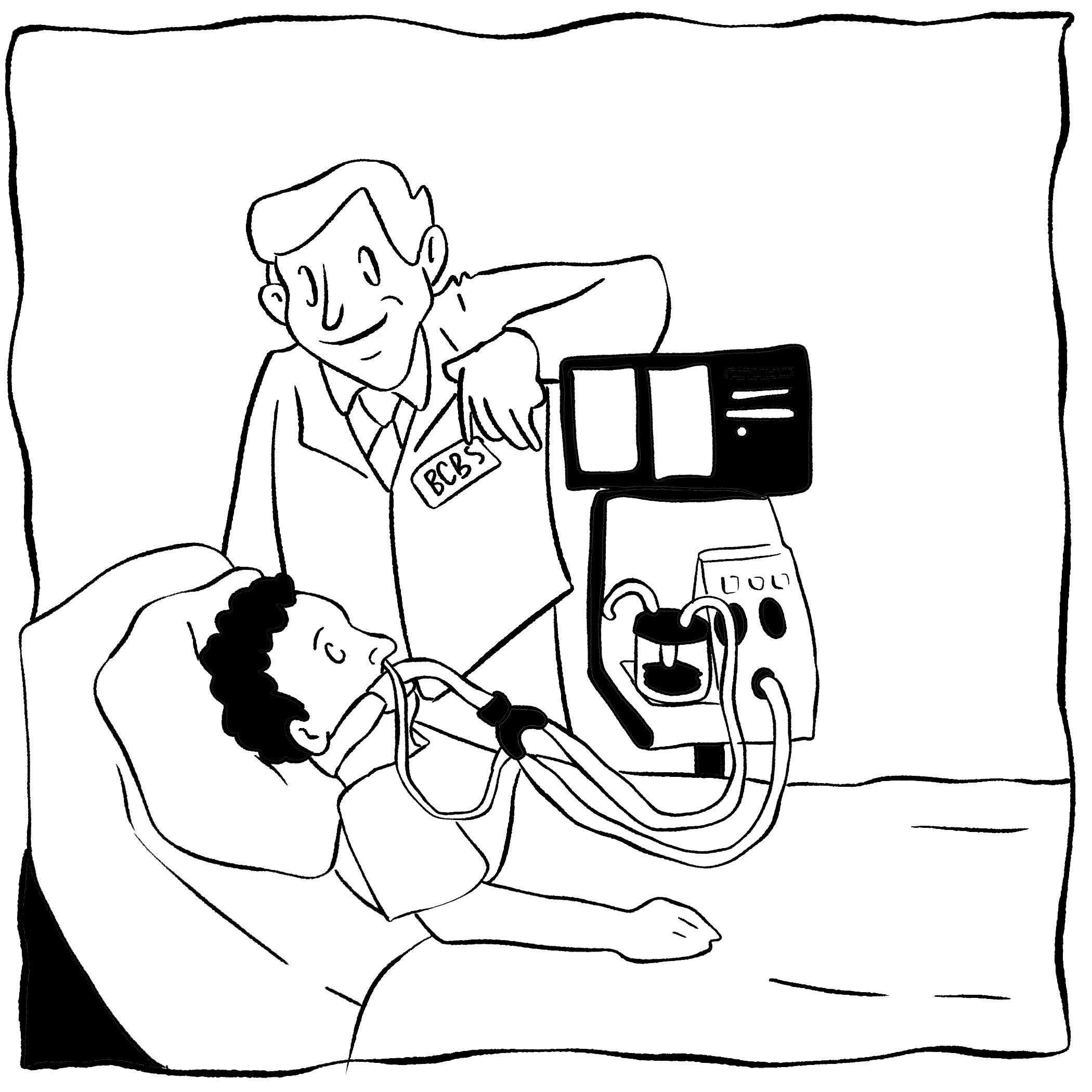
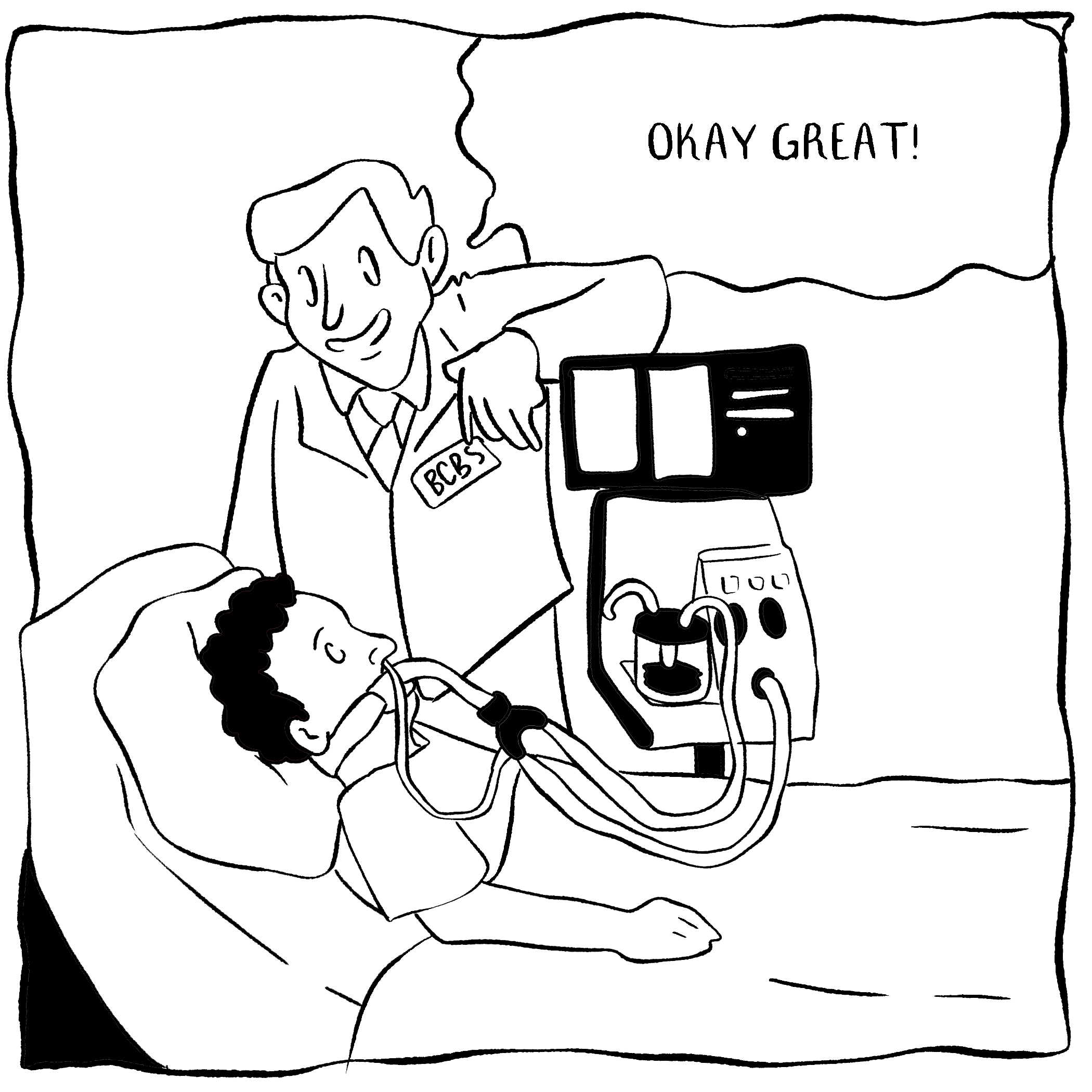
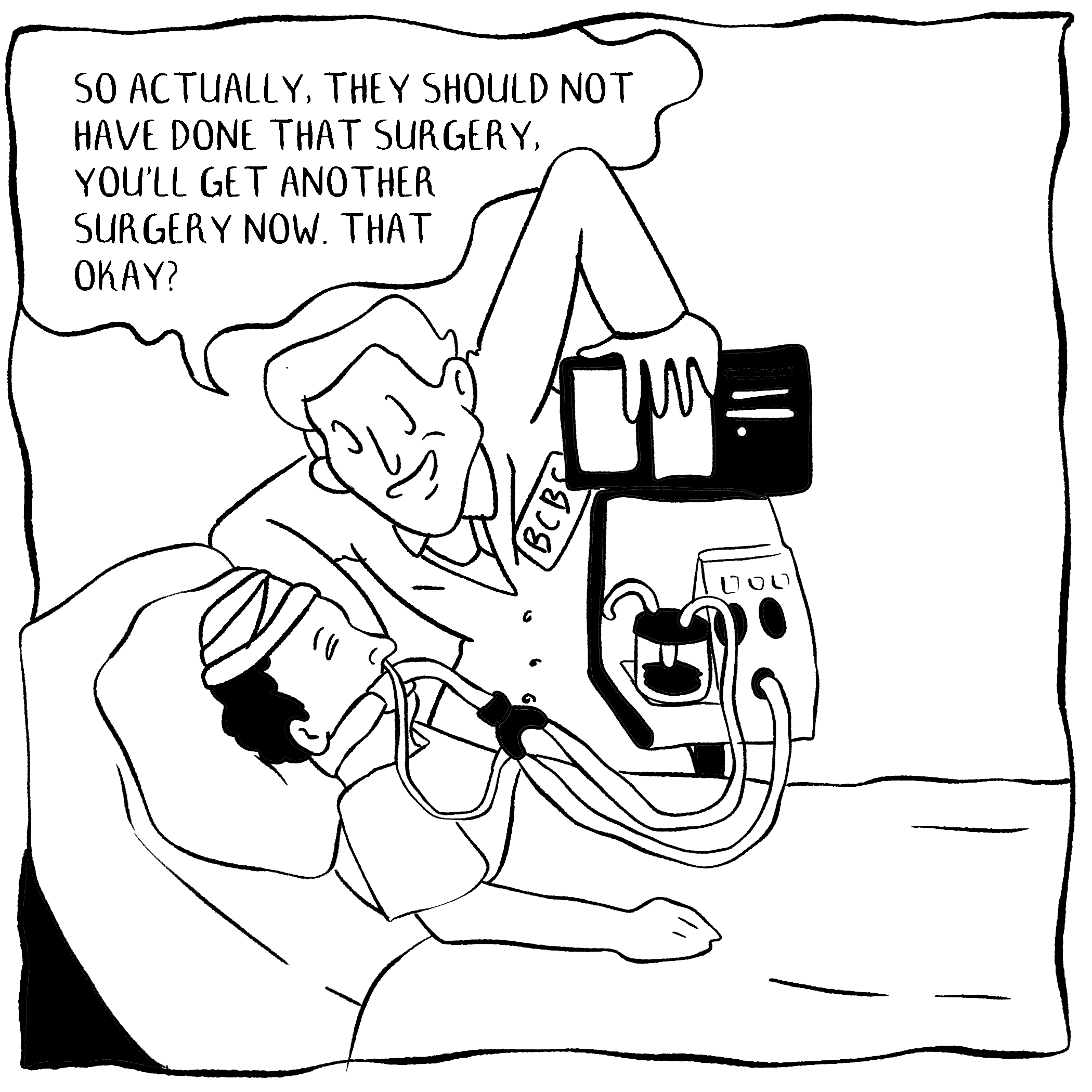
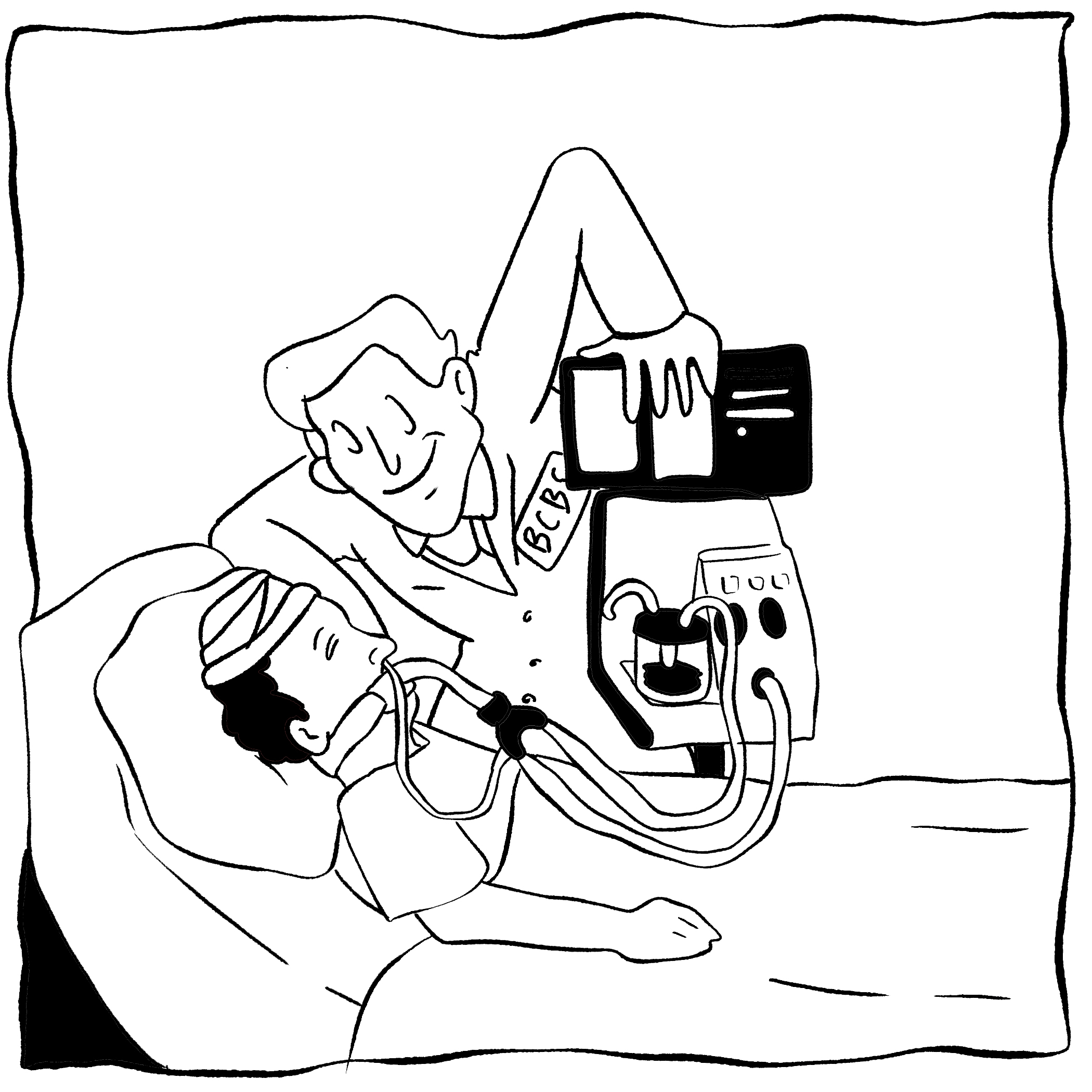
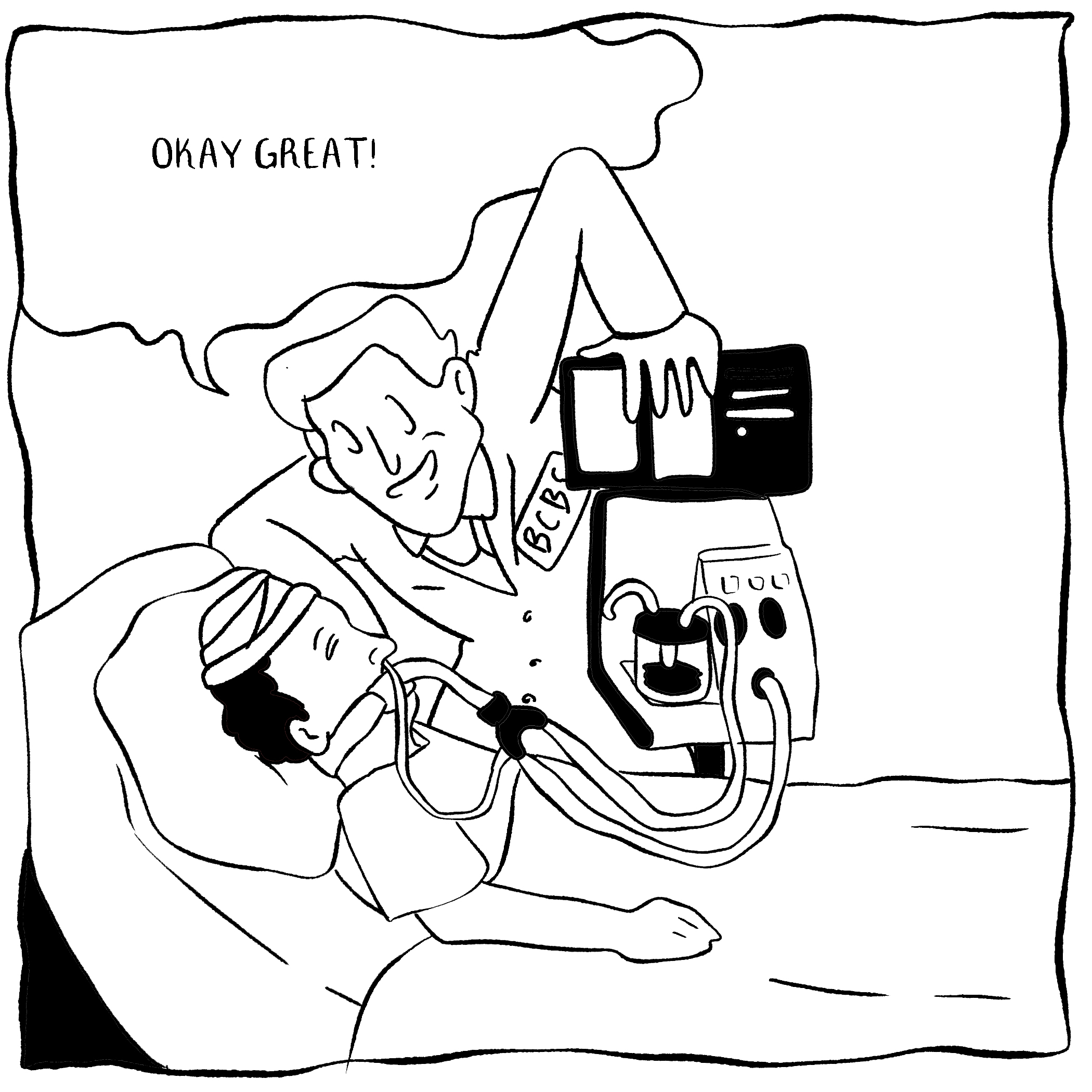
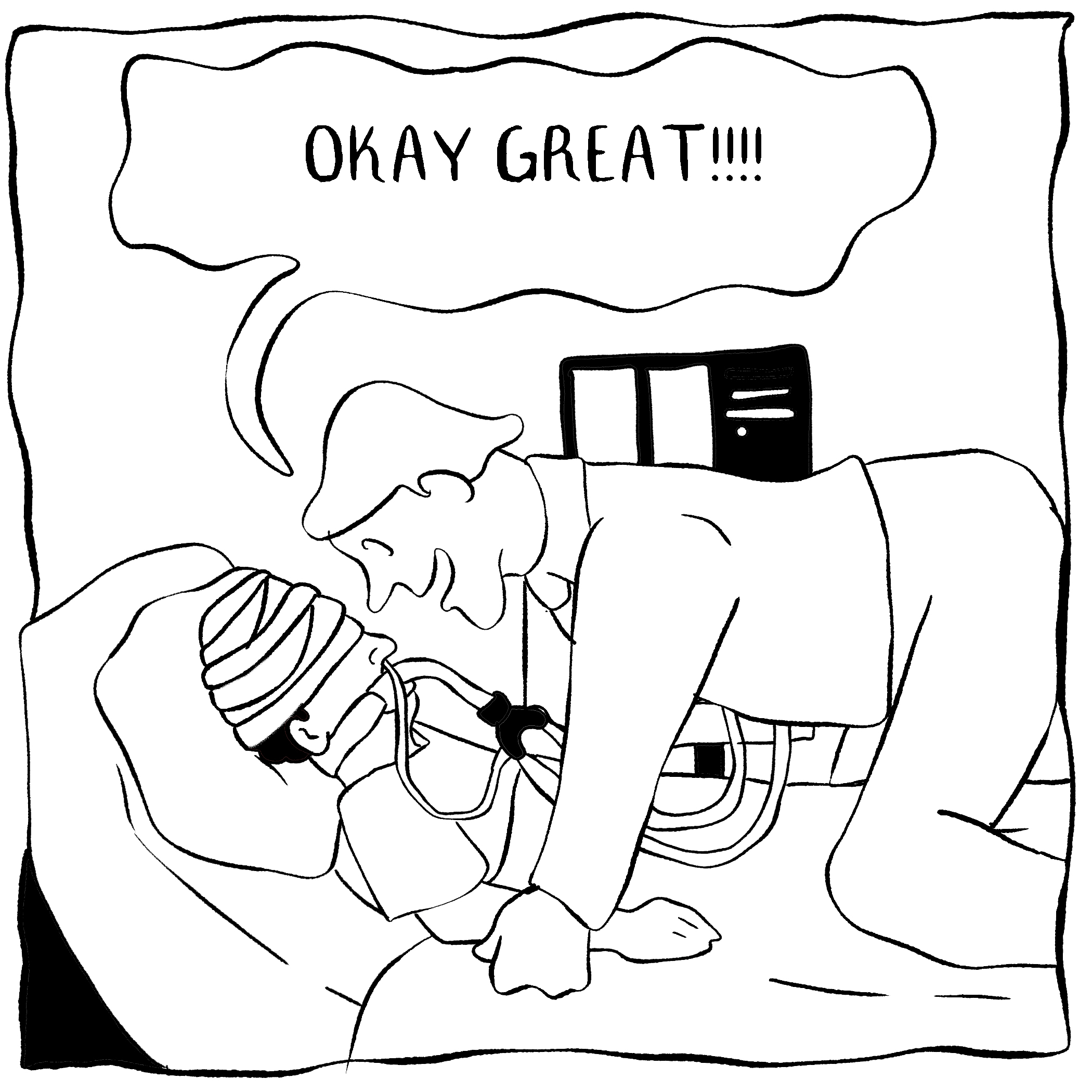
I spent ten years working inside some of the best hospitals in the country. Let’s not name names, but these were places where people routinely do things that could only be described as miracles — if miracles came with a $$$ facility fee.
My job was Speech-Language Pathology: mostly, figuring out whether patients could safely swallow. The human throat, it turns out, is very easy to break and very hard to fix. The same goes for medical communication, but nobody hired me for that.
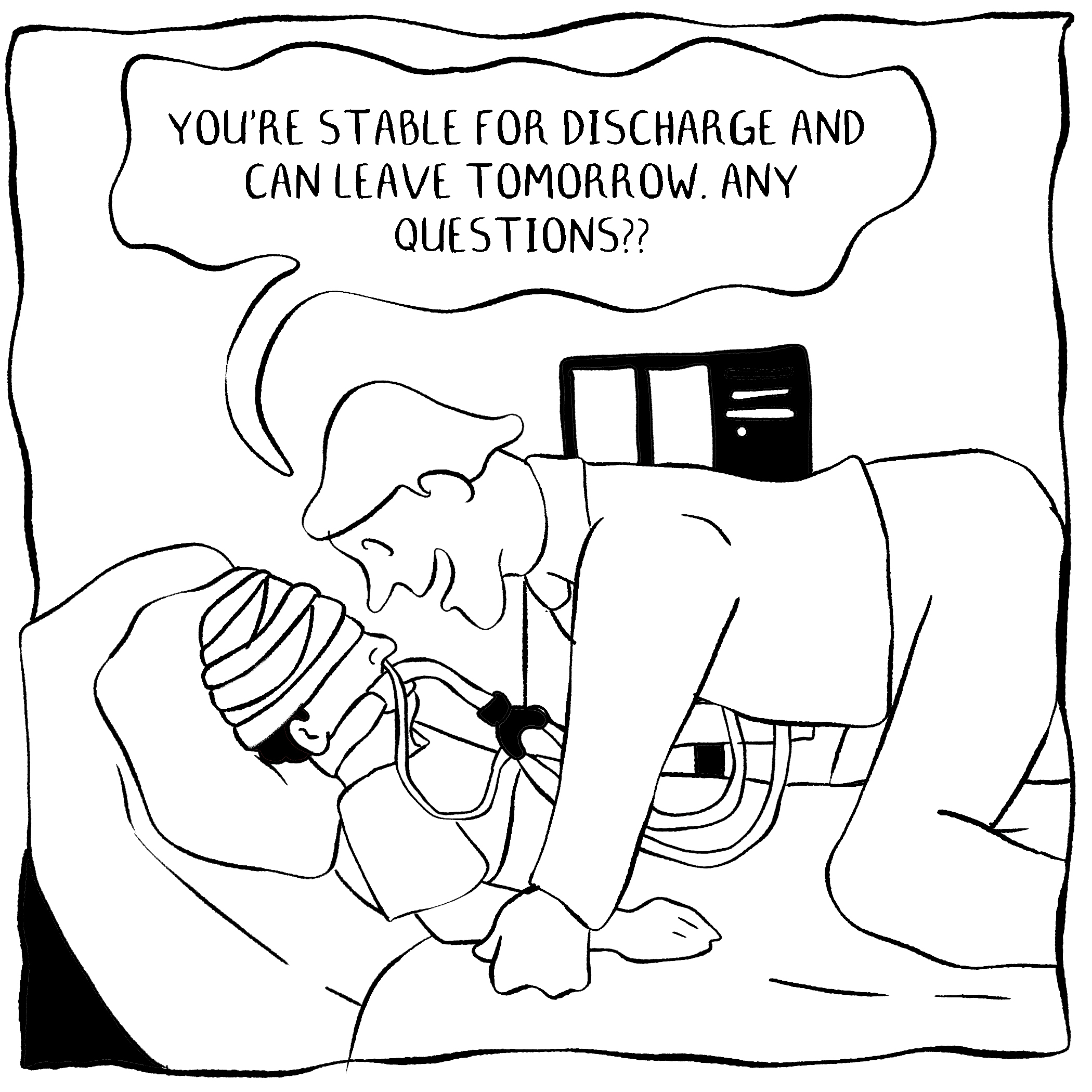
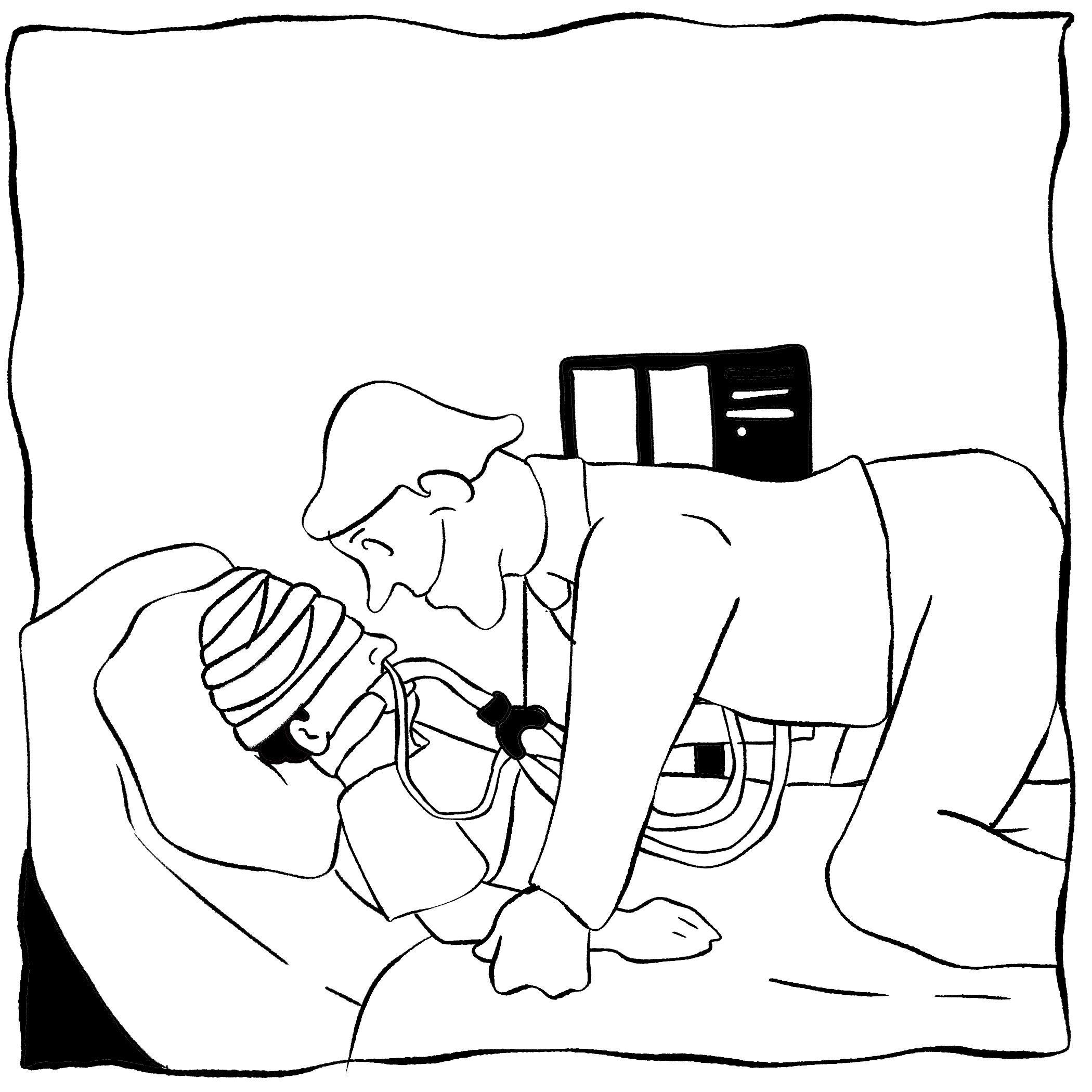
Here’s what a decade at the bedside taught me: hospitals are full of brilliant, genuinely caring professionals, each responsible for one piece of you. They communicate through the electronic chart, which functions like a group chat where everyone posts updates, nobody reads the thread, and the patient is the topic nobody has time to TLDR for you. The team rounds for five minutes when the patient is half asleep and the family isn’t there. “Any questions?” The questions come at 2 PM, when the doctor is nowhere to be seen.
What nobody asks anywhere in this process is, what do you actually want? What matters most to you? Do you even know you have options? You don’t know what you don’t know.
That’s the gap. Brilliant medicine. Bewildering handoffs. And a patient at the center of it all who was never actually asked.
So, I became an independent patient advocate. Today, I spend hours at the bedside, live and breathe the patient’s medical chart, and translate “multifocal pneumonia with septic physiology” into “his lungs are infected, and his body is working very hard.” I make sure the plan of care reflects what the patient actually wants — and that they know they have a say in it. I work with the medical team, not against or around them. The doctors are doing their jobs. I’m doing the job that fell between the cracks.
Sometimes that gap is clinical. One patient, recovering from a major medical event, was drowsy and underfed — too foggy from his anti-seizure medication to engage in therapy, and not getting enough protein or calories to have the energy to try. Nobody had connected those dots. Two conversations — one with neurology about adjusting his medication, another with the dietitian about strategizing to increase his intake —changed his trajectory enough that he qualified for acute rehabilitation (the highest level of rehab care) instead of a lower tier. That distinction made the difference between him eventually regaining his prior independence and quality of life, or not.
Sometimes the gap is just transparency. Another family kept hearing some version of “we’re doing everything we can” while their loved one’s time was quietly running out. What they actually needed was a straight answer about how much time was left. Pressing the medical team for a real, honest timeline meant her family could get on a plane and say goodbye in person instead of getting a call after it was already too late.
In a perfect healthcare system, this line of work would not have been needed. But, until then, it turns out independent professional advocacy can make the difference between an uneventful hospitalization and a tragedy.
This post was written by Shlomit Liberty and was illustrated by Mads Horwath.
To find a personal patient advocate you can browse Greater National Advocates.